Why Does Fried Chicken Taste Different at the End of the Day? 🍗
It might have something to do with the oil.
Have you ever noticed that fried chicken can taste a little different depending on when you order it?
Same restaurant. Same chicken. Same recipe.
Yet somehow, the result isn't always exactly the same.
So, what changes?
The Frying Oil
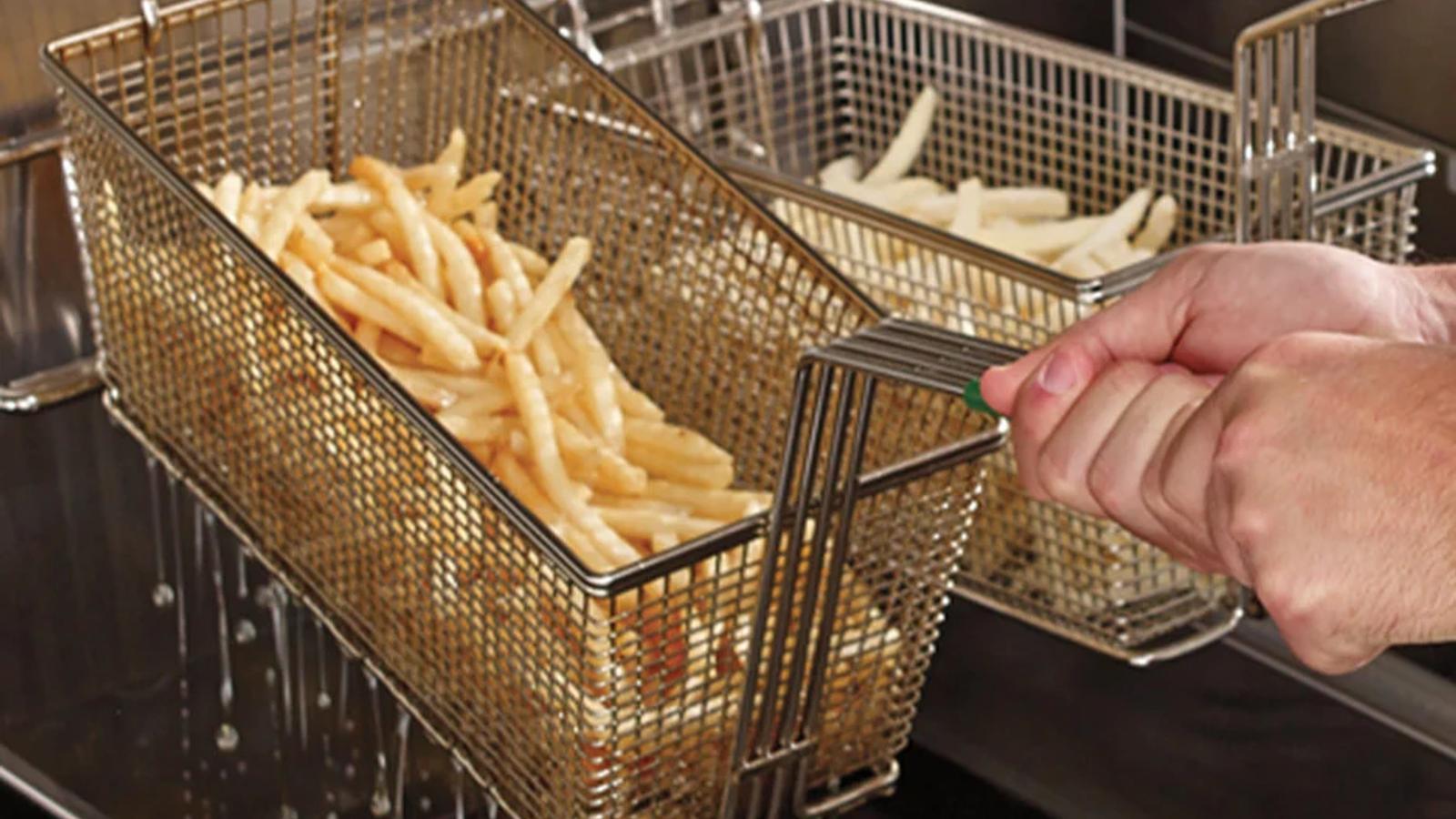
In a busy commercial kitchen, frying oil may go through many frying cycles throughout the day.
With every batch, small amounts of food particles, crumbs and other residues can enter the oil. Over time, these particles can accumulate, and some may continue to cook and eventually burn during repeated frying.
That's why oil management matters.
The challenge isn't simply using frying oil.
It's keeping the frying process under control throughout the day.
Where Does Filtration Come In?
Filtration is one part of effective frying-oil management.
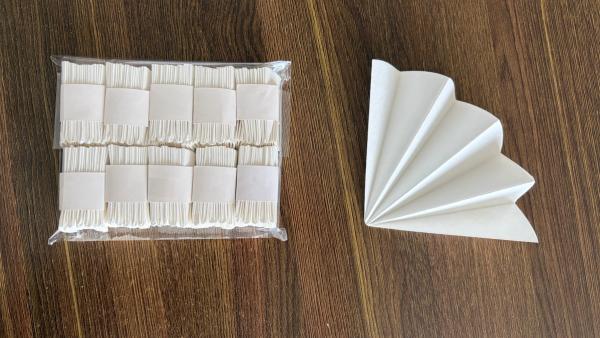
By removing unwanted food particles from the oil, filtration can help reduce the amount of debris remaining in the frying system.
The basic process is simple:
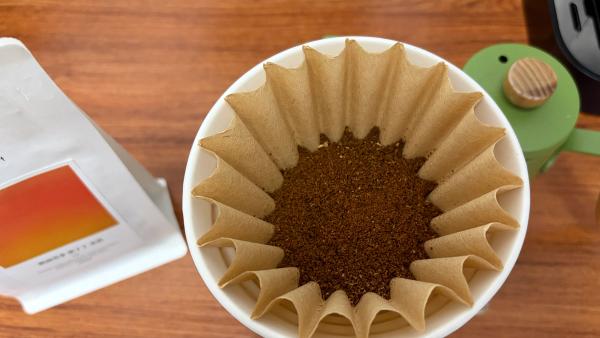
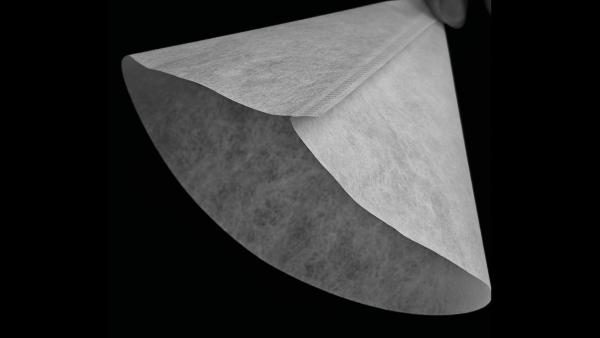
Used Frying Oil → Filter Paper → Filtered Oil
But choosing the right filter isn't simply about finding the fastest option.
For commercial frying applications, several factors need to be considered, including:
- Particle retention
- Filtration speed
- Wet strength
- Filter size
- Oil temperature
- Equipment compatibility
The best filter is the one that matches the actual application and filtration system.
Consistency Is the Goal
A commercial kitchen isn't just trying to make one good batch of fried chicken.
It may need to produce hundreds of portions throughout the day while maintaining a consistent frying process and product quality.
That's why oil management is an important part of commercial frying.
Great fried chicken starts with a good recipe.
But keeping the result consistent throughout the day requires more than a recipe.
It requires good oil management.
And filtration is one part of that process.
So the next time your fried chicken tastes a little different, maybe look at the oil—not just the chicken. 🍗